
Which Candle Wax Burns the Cleanest: Soy Wax, Beeswax, or Paraffin?
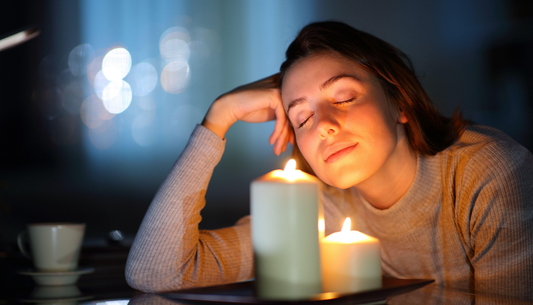
Lighting a candle at home should bring calm and a fresh room. This guide helps you choose the cleanest wax for your candles. We compare Soy wax, beeswax, and paraffin based on lab tests and maker notes.

Beeswax is known for its natural purity and slow burn. Soy wax, made in 1991, is plant-based and easy to clean. Paraffin, a petroleum product, has strong scent but burns faster with more soot.
Beeswax burns steadily with little soot, while paraffin flames are taller and flicker more. Soy wax balances scent and burn speed. But, the cleanest burn also depends on wick, vessel size, fragrance, and air flow.
We'll look at Soy wax, beeswax, and paraffin to address air quality, cost, and eco-friendliness. Our aim is to guide you to candles that are beautiful, smell great, and are good for the air.
What “Clean Burning” Really Means for Candles and Indoor Air
Many wonder which candle wax is the cleanest because they want a cozy glow without dirty air. Clean burning candles aim to keep the air clean by reducing soot and smoke. They also aim to cut down on harmful byproducts.
This goal is linked to the type of wax, the wick design, the size of the vessel, and how much air circulates in the room.
In short: the recipe matters, but so do use and care. These choices shape the natural candle wax benefits you experience every day.

Defining clean burning: soot, smoke, and indoor air quality
Clean burning means less soot on jars, less smoke, and fewer harmful particles in the air. Paraffin wax often leaves more residue, while beeswax and soy tend to keep glass cleaner. This difference can improve indoor air quality during long burns.
- Lower soot helps reduce streaks on walls and containers.
- Steady flames limit flicker, which can spike smoke output.
- Good practice supports the natural candle wax benefits buyers expect.
How wax composition influences combustion byproducts
Paraffin, a petroleum-based wax, is often linked to emissions like toluene and benzene, which are harmful in small spaces. Soy wax, made from hydrogenated soybean oil, tends to produce less soot. Beeswax, made by bees, burns with less soot and a steady flame.
Some claim beeswax releases negative ions, but evidence is limited. In real rooms, ventilation and source control are key to finding the cleanest wax, regardless of brand or style.
The role of wick type, vessel, and ventilation
Wick size and material control flame height and fuel flow. Oversized wicks can burn hot and sooty. Properly trimmed wicks help candles burn clean at each relight.
The size of the vessel also matters. A vessel that's too narrow can tunnel, while one that's too wide can overheat and smoke. Airflow is important too. Drafts can make flames dance and increase soot. Gentle ventilation, shorter burns, and correct wick trims help keep the air clean while preserving the benefits of natural wax.
Beeswax: Natural properties, burn behavior, and air-quality profile
Beeswax is made from honeybees, used to build honeycomb cells. It's then rendered for candle making. Its color varies from white to deep yellow, depending on the flowers and pollen it comes from. Many people choose beeswax for its natural benefits and clean burn.

Natural source and purity: toxin-free, additive-free characteristics
Raw beeswax is loved for its simple origin and minimal processing. It often doesn't need additives, which is a big plus for those who want clean candles. This simplicity is a big draw for many.
Yellow beeswax keeps more of its natural compounds. White beeswax, filtered, loses some color and scent. Both are great for those who prefer natural options without synthetic additives.
Burn traits: slow burn rate, low soot, and drip-resistant performance
Beeswax burns slowly and steadily, producing little soot in well-ventilated areas. Its high melting point helps prevent drips and smoke. This makes it a reliable choice for clean candles.
Beeswax candles often have small melt pools. If the wick is too small, tunneling can happen, wasting wax. But with the right wick size and trimming, you get a great candle experience.
Negative ions claim: perspective on limited scientific evidence
Some say beeswax releases negative ions, improving indoor air. But, there's not much scientific backing for this claim. It's best to focus on the proven benefits of beeswax candles.
Good practice matters: pick the right wick, avoid drafts, and let the wax melt fully. These steps enhance the natural benefits of beeswax candles, without relying on unproven claims.
Fragrance considerations: natural honey aroma vs. added scents
Yellow beeswax has a light honey scent that can overpower some fragrances. White beeswax, while not truly white, is more neutral. It works better with added scents.
Beeswax is firm and sensitive to heat. Makers carefully control the melting temperature, usually below 185°F. This helps preserve the scent and color, making for a better candle experience.
Soy Wax: Clean-burning performance with modern sustainability
Soy wax was introduced in 1991 by candle maker Michael Richards. He created a hydrogenated soybean oil blend as a paraffin alternative. It's chosen for its natural candle wax benefits, consistent performance, and value.
In tests against beeswax and paraffin, soy wax is praised for its quiet flame and clean jars. These qualities make it a top choice for clean burning candles and eco-friendly luxury candles.
Plant-based origin, biodegradability, and renewable sourcing
Soy wax is made from U.S.-grown soybeans. It's plant-based, biodegradable, and renewable. Compared to petroleum waxes, it supports domestic agriculture and has lower emissions.
Its responsible sourcing also considers farming impacts. This makes soy wax a better choice for eco-friendly luxury candles in discussions with beeswax and paraffin.
Burn cleanliness: typically lower soot than paraffin
Soy wax produces less soot than paraffin when properly wicked and ventilated. It leads to cleaner rims and less smoke during burns. These qualities make it a key player in clean burning candles.
It also has controlled melt pools, adding to its natural candle wax benefits for everyday use.
Scent throw and stability: balanced hot/cold throw for scented candles
Soy wax has a balanced scent profile. It offers reliable cold throw and steady hot throw. While it may not reach paraffin's intensity, it presents true fragrance notes well.
This balance is why soy wax is often preferred in Soy wax vs beeswax vs paraffin tests for eco-friendly luxury candles.
Melting point and handling: easier cleanup, softer texture
Soy wax has a lower melting point, making it easy to pour and clean. Most residue can be removed with soap and warm water. It's softer and opaque, perfect for containers, but may show frosting.
These handling perks make soy wax a favorite for makers and home users. They support cleaner workflows and reliable results in clean burning candles.
Paraffin: Strong scent throw with trade-offs in soot and emissions
Paraffin is known for its strong fragrance, but it also has downsides like smoke and residue. This makes it a key point in comparing clean-burning waxes. It shows how to get a strong scent without making a mess.
Its appeal is practical as well as sensory. In the U.S., makers love paraffin for its ease of use and quick production. It's great for making candles, even with some drawbacks.
Petroleum-derived origin and processing
Paraffin comes from crude oil, refined, filtered, bleached, and treated for candles. It's stable and can hold lots of fragrance and color well.
Burn behavior: faster burn, higher soot, visible smoke
Tests show paraffin candles burn fast and leave more residue. They can also produce soot and sometimes crack the jar. It's important to use the right wick and glass to avoid these problems.
Indoor air concerns: toluene and benzene reports in the literature context
Some studies mention toluene and benzene in indoor air, mainly in small, poorly ventilated spaces. The levels depend on the candle's formula, wick, and air flow. This affects how people choose candles for their homes.
Why it remains common: affordability and vivid color payoff
Paraffin is cheap, easy to find, and quick to use. It also gives candles bright colors and a strong scent. These benefits keep it popular, even with its drawbacks.
- High fragrance load capacity for strong hot throw
- Reliable processing and fast production cycles
- Trade-offs include soot, smoke, and quicker burn time
For everyday shoppers, these traits help compare clean-burning candles. They decide which wax is best for their space.
Soy wax vs beeswax vs paraffin,Natural candle wax benefits,Clean burning candles
Many people wonder which candle wax is the cleanest for home use. Looking at Soy wax, beeswax, and paraffin, we see differences in burn, scent, and air quality. These natural waxes have benefits but also have trade-offs in performance and care.
Side-by-side testing guides this snapshot without ranking outcomes or finding.
Clean burn comparison: soot levels, smoke visibility, and residue on jars
Paraffin candles produce a lot of smoke and leave dark marks on jars in small spaces. Soy wax candles burn clean with a steady flame and less jar residue. Beeswax candles have low soot but may tunnel if the wick and jar are not right.
Wick size, vessel diameter, and airflow shape outcomes for clean burning candles in any room.
Burn time overview: beeswax longest, soy moderate, paraffin fastest
Beeswax candles burn the longest with the same wick and jar size. Soy wax candles burn at a moderate pace, good for daily use. Paraffin candles burn the fastest, which is great for strong fragrances and hot wicks.
Scent performance: paraffin strongest throw, soy balanced, beeswax naturally aromatic
Paraffin candles can hold a lot of fragrance and have a strong scent throw. Soy wax candles have a balanced scent throw that lasts throughout the burn. Beeswax candles have a natural honey smell, and refined beeswax is better for delicate fragrances.
Eco and health snapshot: renewable status, biodegradability, and indoor air impacts
Soy wax is plant-based, renewable, and biodegradable, making it eco-friendly. Beeswax is natural but not vegan. Paraffin is made from petroleum and is not renewable.
Studies link paraffin to more soot and emissions in bad air. Soy and beeswax are seen as cleaner. But, the right wick and air flow are key in choosing the cleanest wax.
Premium candle wax comparison for eco-friendly luxury candles
Three materials stand out in eco-luxury candles: beeswax, soy, and paraffin. Each wax impacts how well the candle smells, how much soot it produces, and how clean the jar stays. The goal is a clean, even flame and pure ingredients.
Beeswax is known for its natural purity and steady burn. It has a soft honey scent that goes well with simple fragrances. But, it can be tricky to avoid tunneling, so wicking and cure times need to be just right.
Soy wax is a mix of modern and natural. It's sourced from plants and burns smoothly. It also produces less soot and is easier to clean up, making it great for everyday use.
Paraffin wax gives strong scents and bright colors. But, it can produce a lot of smoke and isn't eco-friendly. Many makers blend it with natural waxes to keep the air clean.
The craft is decisive. Good wicking and fragrance control help avoid soot and tunneling. Burn tests ensure the candle works well in any room. This is how eco-friendly luxury candles are made.
Eclara luxury candles show this careful approach. They use high-quality wax for a clean flame and a nice scent. This way, they offer natural benefits without losing elegance.
Artisanal candle craftsmanship: how formulation influences cleanliness
Clean-burning candles start with careful work at the bench. Choosing the right wick, vessel, and wax is key. Makers who pay attention to these details can make candles that burn clean every time.
Dialing in the system—not just the wax—keeps flames steady and jars clear.
Wick selection, vessel sizing, and airflow for a cleaner burn
Match the wick size to the wax, vessel, and fragrance load. Big wicks can make flames flicker and soot. Small wicks might cause uneven melting and tunneling.
Use heat-resistant glass and the right vessel size to avoid cracks. Keep the air flow steady to prevent the flame from dancing. These steps help make candles that burn clean, no matter the wax.
Additives, dye loads, and fragrance percentage best practices
- Use additives sparingly to avoid clogged flames and smoke.
- Adjust dye levels based on wax type. Paraffin needs less, soy more, to get the right color.
- Don't overdo the fragrance. Paraffin can handle more, soy and beeswax less. This keeps the scent balanced.
These tips help keep the flame steady and the wax burning evenly. This is key for premium candles.
Burn testing protocols to minimize soot and tunneling
Test candles in multiple sessions to track their burn. Look for flame height, melt pool, and soot. Adjust as needed to avoid soot and tunneling.
Keep detailed records of each test. This helps create candles that burn well in any room.
Hand-poured art candles: precision pouring temperatures and cure times
Pour wax at the right temperature to avoid sinkholes and frosting. Cool it down slowly to reduce flaws. Cure times vary by wax type. Paraffin needs less, soy more, and beeswax careful heat control.
Following these steps can make hand-poured candles truly exceptional. It turns careful work into candles that burn clean and natural.
How ECLARA elevates clean-burning performance in hand-poured and hand-painted candles
ECLARA leads in clean burning candles by combining special wax blends with careful craftsmanship. They use knowledge from beeswax, soy, and high-quality paraffin to control soot, keep scents strong, and extend burn time. Their luxury candles use plant-based waxes for less soot and a steady scent.
They choose natural waxes for a soft, true aroma and longer burn. Each candle is made to improve indoor air quality without losing its warm glow.
Choosing the right wax and wick is key. They match wick size to the candle's size to avoid smoke and uneven burning. Containers are made strong to handle heat and prevent spills. They also control dye and fragrance levels for even burning and clear glass.
They test each candle to ensure a steady flame and even scent. This way, their candles offer a natural wax benefit with a fine finish. These candles show how careful choice of materials, smart design, and hand-painted details can enhance your space.
FAQ
Which candle wax burns the cleanest: soy wax, beeswax, or paraffin?
Beeswax is often seen as the cleanest-burning wax. It produces very little soot and has a steady flame. Soy wax also burns clean, with minimal soot and a balanced scent.